Samsung Galaxy S26 vs. S25 (2026): Is it time to upgrade?
Apr 13th 2026
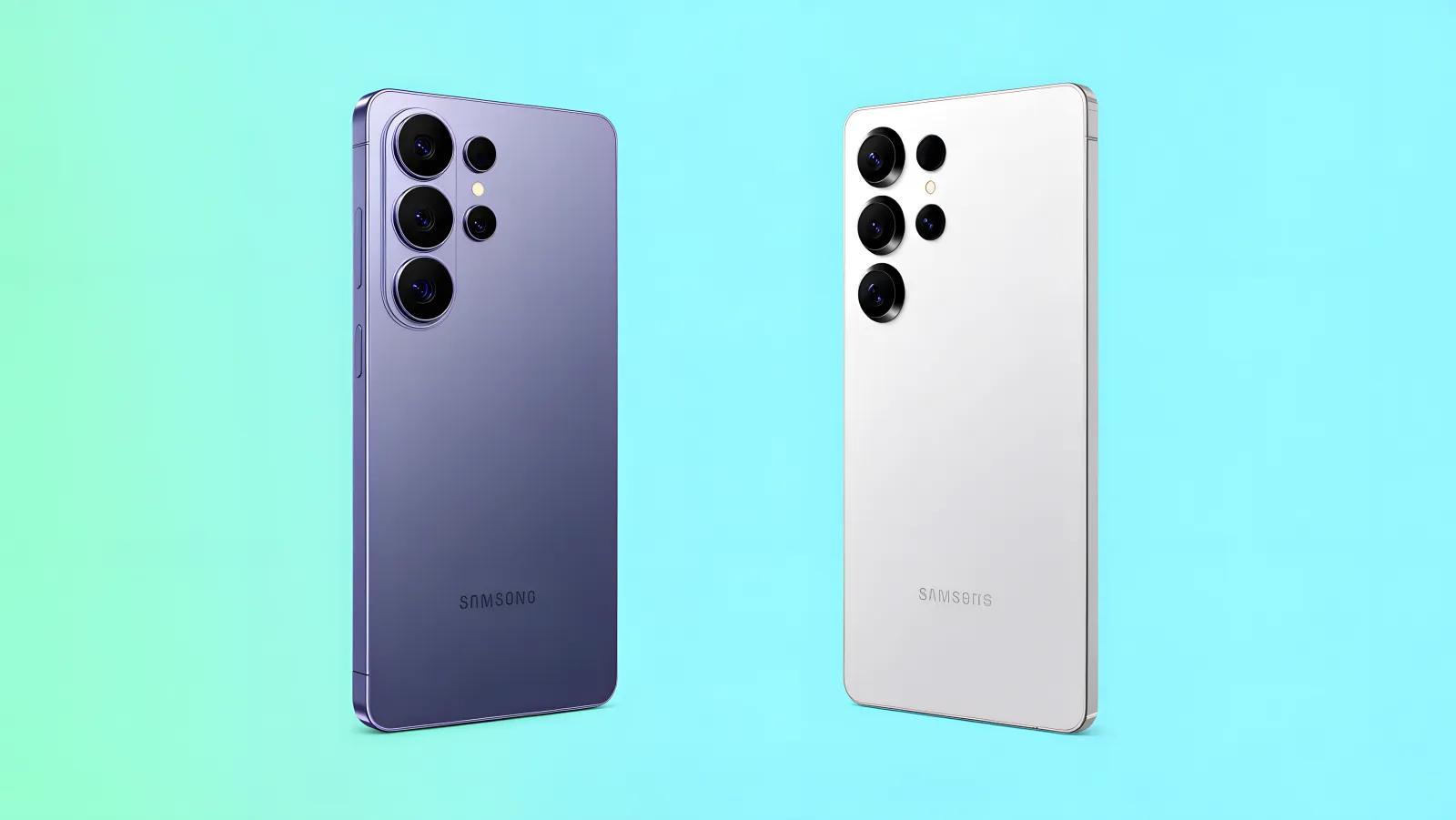

Samsung's newest flagship lineup arrived in March 2026, and the question most S25 owners are quietly asking is the same one every year: is this actually worth it, or should I wait? The S26 brings a faster chip, expanded AI features, and a starting price that is $100 higher than the S25 launched at. That gap matters more than it sounds.
For anyone who bought an S25 in the last year or two, the honest answer is probably to hold. But if you are coming from an older phone — an S23, an S22, or anything earlier — the picture looks different. This guide breaks down exactly where the S26 improves on the S25, where the two phones are essentially identical, and how to decide which one makes more sense for how you actually use your phone.
TL;DR
- The S25 is still the better value for most people. It performs well, has solid AI features, and is now available at a lower price — especially refurbished.
- The S26 is a meaningful upgrade for power users who want the fastest available chip, better battery life, and expanded AI tools.
- The S26 Ultra is the most justified upgrade in the new lineup, with faster charging, improved low-light camera performance, and the new Privacy Display feature.
- If you own an S25 already, the differences are incremental enough that upgrading now is difficult to justify.
- If you are on an S23 or older, either the S25 or S26 will feel like a significant step forward. The S25 is the more practical choice on price.
What actually changed between the S25 and S26?
The short answer: the chip, the battery, and the AI. Almost everything else stayed the same. Samsung upgraded all three S26 models to the Snapdragon 8 Elite Gen 5 For Galaxy chip, which delivers faster performance and better power efficiency than the Snapdragon 8 Elite found in the S25. The battery on the base S26 grew from 4,000 mAh to 4,300 mAh, adding roughly two hours of video playback. Galaxy AI also received a meaningful expansion — Document Scan, improved Circle to Search, Call Screening, and Perplexity integration are among the additions.
What did not change is notable: the camera hardware on the base S26 and S26+ is identical to the S25 and S25+. Same 50MP main sensor, same ultrawide, same telephoto. The display resolution is also unchanged. If you were expecting a camera upgrade, that did not happen for the base models — though AI-powered editing tools do improve what you can do with photos after the fact.
Samsung Galaxy S26 vs. S25: specs compared
The S26 and S25 share nearly identical hardware. The main differences are the chip, battery size, and AI capabilities.
| Spec | Samsung Galaxy S26 | Samsung Galaxy S25 | Verdict |
|---|---|---|---|
| Display | 6.3-inch Dynamic AMOLED 2X, 120Hz | 6.2-inch Dynamic AMOLED 2X, 120Hz | S26 slightly larger |
| Chip | Snapdragon 8 Elite Gen 5 For Galaxy | Snapdragon 8 Elite For Galaxy | S26 faster |
| Battery | 4,300 mAh, ~31hrs video playback | 4,000 mAh, ~29hrs video playback | S26 longer life |
| Storage options | 256GB / 512GB | 128GB / 256GB | S25 has entry-level 128GB option |
| RAM | 12GB | 12GB | Unchanged |
| Rear camera | 50MP + 12MP ultrawide + 10MP telephoto | 50MP + 12MP ultrawide + 10MP telephoto | Unchanged |
| Front camera | 12MP | 12MP | Unchanged |
| Charging | 25W wired | 25W wired | Unchanged |
| Galaxy AI | Document Scan, Call Screening, improved Circle to Search, Perplexity support | Circle to Search, Now Brief, Galaxy AI integration | S26 expanded |
| Launch price | $899.99 | $799.99 | S25 $100 less |
Is the Samsung Galaxy S25 still worth buying in 2026?
Yes. The S25 remains a capable flagship with no meaningful weaknesses for everyday use. Its Snapdragon 8 Elite chip is fast, its camera handles daylight photography well, and battery life comfortably covers a full day. The Galaxy AI features it launched with — Circle to Search, Now Brief, seamless cross-app actions — are genuinely useful, and many of the new AI additions coming to the S26 are expected to reach the S25 via software updates.
The main trade off is low-light camera performance. The S25 struggles in dimly lit environments in a way that the S26 Ultra — with its AI-powered editing and improved optics — addresses more confidently. For most people doing everyday photography, this will rarely matter. For anyone who regularly photographs events, restaurants, or evenings out, it is worth factoring in.
Who should upgrade to the Samsung Galaxy S26?
The S26 makes the most sense for two groups: people coming from a phone that is two or more generations old, and people who want the absolute best performance available right now. For the first group, the jump will feel significant regardless of whether they choose the S25 or S26 — in which case the S25 is the more practical option on price. For the second group, the S26's faster chip and expanded AI tools justify the premium.
The S26 Ultra is worth singling out. It received the most substantive upgrades in the new lineup: faster wired charging (60W, up from 45W), significantly improved low-light camera performance, a 200MP main sensor with a lower f-stop, 16GB of RAM on the 1TB model, and the new Privacy Display feature that prevents shoulder surfing. If you are a heavy user who leans on your phone for photography, productivity, or sensitive communications, the Ultra is the one model in the S26 lineup where the upgrade argument holds up clearly.
S26 vs. S25: pros and cons
Samsung Galaxy S26
| Pros | Cons |
|---|---|
| Faster Snapdragon 8 Elite Gen 5 chip | $100 more expensive than the S25 at launch |
| Longer battery life | No camera hardware upgrade over S25 |
| Expanded Galaxy AI features | Charging speed unchanged at 25W |
| Slightly larger display | 128GB storage option removed |
Samsung Galaxy S25
| Pros | Cons |
|---|---|
| More affordable — and lower still when bought refurbished | Low-light camera performance lags behind S26 Ultra |
| Strong Galaxy AI features | Charging speed unchanged at 25W |
| Long battery life | |
| 128GB entry-level storage option available |
Should you buy the S25 new or refurbished?
For most people, refurbished is the smarter route. The S25 is a recent, well-supported phone that will continue receiving software updates for years. Buying it refurbished means getting the same performance at a lower price — and for a phone with no meaningful hardware weaknesses, that trade is easy to make.
The key is choosing a seller that clearly describes device condition, testing process, and warranty coverage. At Reebelo, every device goes through 40+ quality checkpoints before it is listed, so there are no surprises when it arrives.
Frequently asked questions
Is the Samsung Galaxy S26 worth upgrading from the S25?
For most S25 owners, no — not yet. The core hardware is largely the same, and the performance improvements from the new chip, while real, are unlikely to be noticeable in daily use. Many of the new AI features are also expected to arrive on the S25 via software updates. If your S25 is working well, the practical move is to wait until the gap between the two generations widens.
What is the main difference between the S26 and S25?
The biggest differences are the chip (Snapdragon 8 Elite Gen 5 vs. the original 8 Elite), battery capacity (4,300 mAh vs. 4,000 mAh), and expanded Galaxy AI features. The camera hardware, display resolution, RAM, and charging speed are identical across both base models.
Is the Samsung Galaxy S25 still a good phone in 2026?
Yes. The S25 remains a strong flagship for everyday use — fast, well-supported, with capable cameras and reliable battery life. Its main limitation is low-light photography, which the S26 Ultra addresses but the S26 base model does not meaningfully improve.
Which Samsung phone offers the best value in 2026?
The S25 — particularly when bought refurbished — offers the best balance of performance, longevity, and price. It handles everything most people need from a flagship phone without the premium attached to the latest release. For power users who want the most capable device available, the S26 Ultra is the strongest case in the new lineup.
How long will the Samsung Galaxy S25 last?
Samsung has committed to seven years of OS and security updates for the S25 series, meaning the phone should remain fully supported through 2032. For most users, that is well beyond the point at which they would consider replacing it.
Final thoughts: S26 or S25?
The S26 is a good phone. It is also a modest improvement over a phone that was already very good. For anyone who has owned an S25 for less than two years, the differences in day-to-day experience are unlikely to justify the higher price or the trade-in cost.
The S25 remains a practical, well-supported flagship that handles everything most people ask of it. Buying one now — especially refurbished — means getting excellent performance at a price that reflects where the phone sits in Samsung's lineup rather than where it launched. For a growing number of buyers, that is exactly the kind of decision that makes sense. To find a competitively priced S25 or explore the full Samsung range, browse this week's hot deals on Reebelo.
Popular posts
- 1

How To Take Care of Your Refurbished PlayStation 5
Jul 28th 2026
- 2
iPhone 16 vs. iPhone 17? Which One Should You Buy?
Jul 28th 2026
- 3

Is Buying a Refurbished iPad Mini a Good Idea?
Jul 22nd 2026
 English


© Reebelo New Zealand | NZBN 9429 0489 7587 2 | GST Registered


